Dead Branch Removal in Doylestown, PA
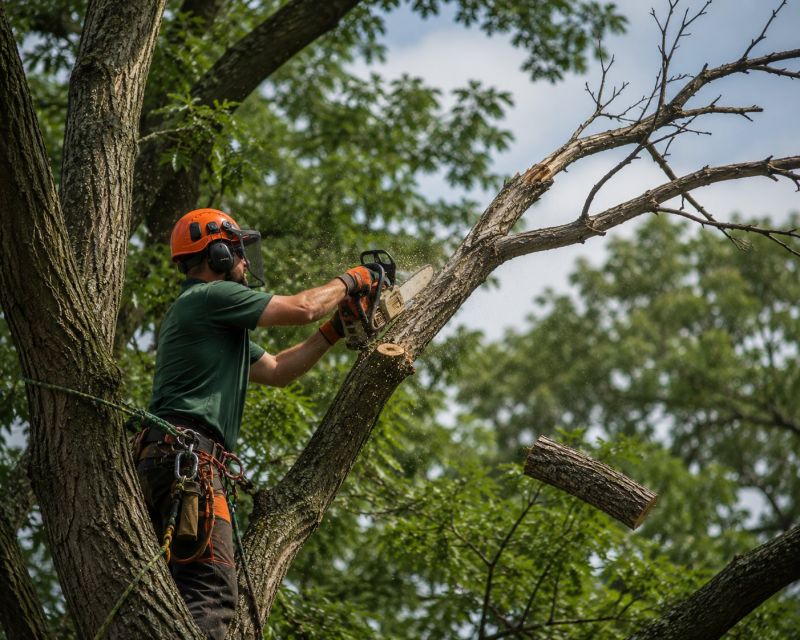
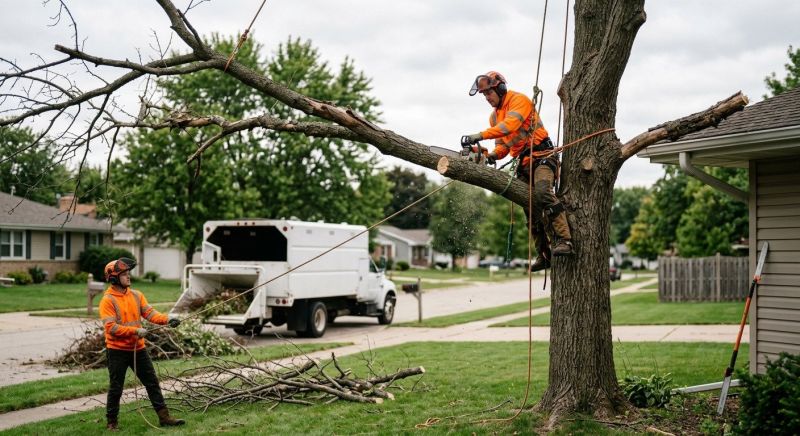
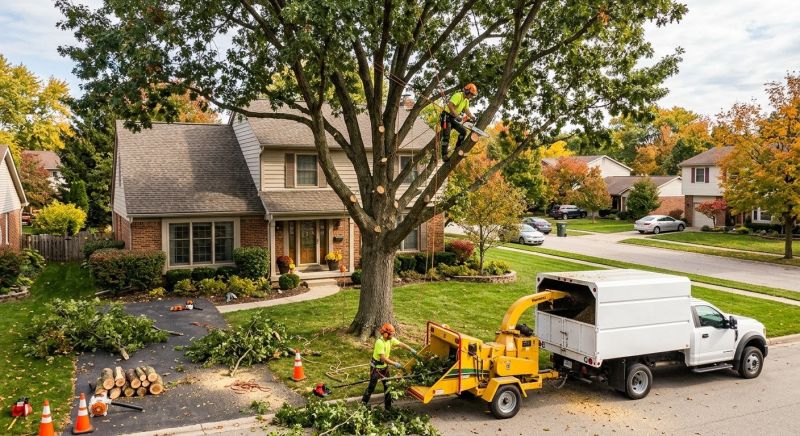
Dead branch removal services involve the careful trimming and removal of dead or dying limbs from trees to improve safety and health. This process typically covers projects such as removing hazardous branches that pose a risk of falling, clearing overgrown limbs that interfere with structures or power lines, and maintaining the overall appearance of trees. Homeowners often request this service when they notice dead or broken branches that could fall during storms or cause damage to property, or when they want to promote the healthy growth of their trees.
Before requesting dead branch removal, property owners should consider the location and size of the branches in question, as well as the overall health of the tree. It is important to identify which branches are dead or decaying, as well as to understand any potential impact on the tree's stability. Clear communication about the specific areas of concern and the desired outcome can help ensure the project addresses safety and aesthetic goals effectively.
Many property owners in Doylestown, PA look into Dead Branch Removal for repairs, replacements, upgrades, and appearance-related improvements.
Safety And Property Protection
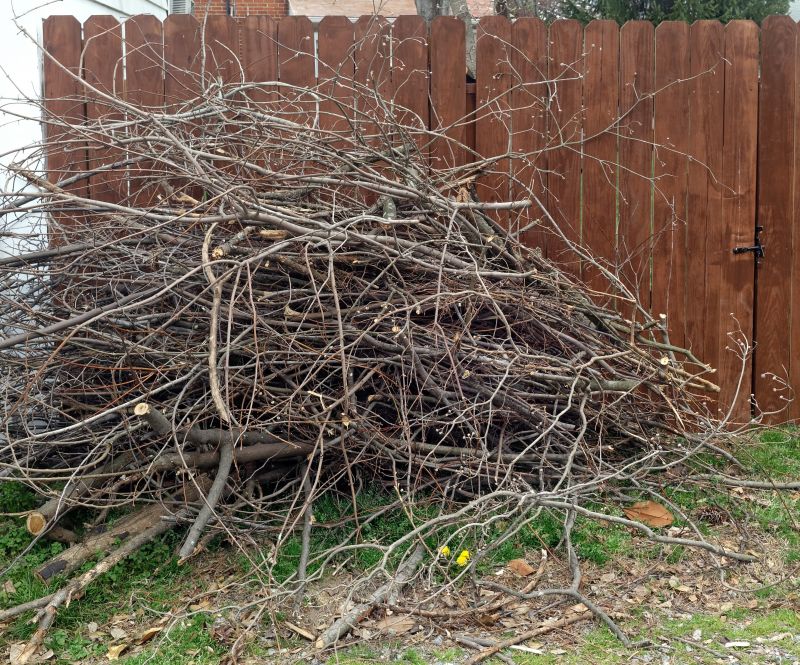
Removing dead branches reduces the risk of damage to structures and ensures safety during storms.
Tree Health And Maintenance
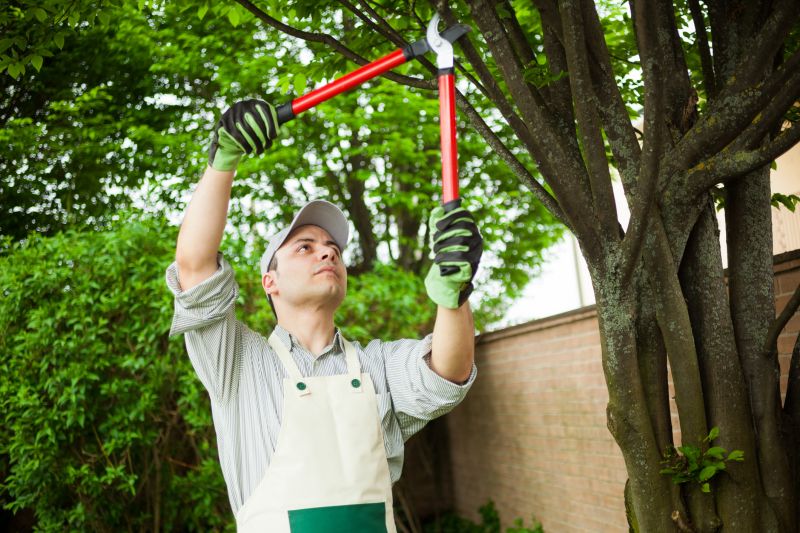
Dead branch removal helps promote healthy growth and prevents decay from spreading to the rest of the tree.
Aesthetic Improvement
Clearing dead branches enhances the appearance of trees and improves the overall landscape of properties in doylestown, pa.
Dead Branch Removal in Doylestown, PA
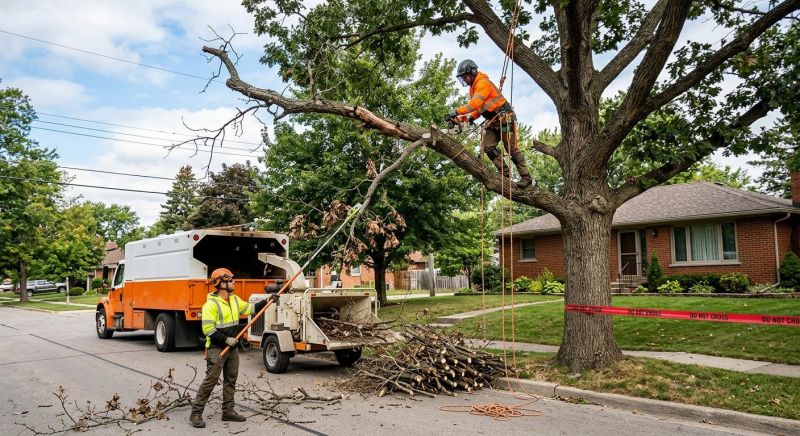
Dead branch removal services involve the careful trimming and removal of dead or dying limbs from trees to improve safety and health. This process typically covers projects such as removing hazardous branches that pose a risk of falling, clearing overgrown limbs that interfere with structures or power lines, and maintaining the overall appearance of trees. Homeowners often request this service when they notice dead or broken branches that could fall during storms or cause damage to property, or when they want to promote the healthy growth of their trees.
Before requesting dead branch removal, property owners should consider the location and size of the branches in question, as well as the overall health of the tree. It is important to identify which branches are dead or decaying, as well as to understand any potential impact on the tree's stability. Clear communication about the specific areas of concern and the desired outcome can help ensure the project addresses safety and aesthetic goals effectively.
Many property owners in Doylestown, PA look into Dead Branch Removal for repairs, replacements, upgrades, and appearance-related improvements.
Common Dead Branch Removal Jobs
Dead tree removal - safely removing trees that pose a risk to property or safety.
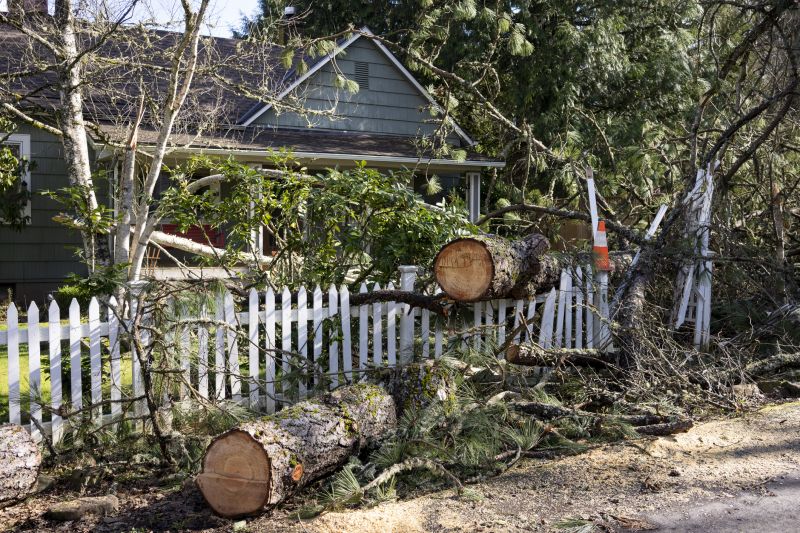
Storm-damaged branch cleanup - clearing broken or fallen branches after storms.
Overgrown branch trimming - reducing the size of branches that interfere with structures or power lines.
Hazardous branch removal - removing branches that threaten to fall or cause damage.
Uprooted tree removal - extracting trees that have been uprooted or are leaning dangerously.
Tree limb pruning - trimming dead or weak branches to improve tree health and safety.
Dead Branch Removal Questions
Why should dead branches be removed? Removing dead branches helps prevent potential damage to trees and nearby structures, reducing the risk of falling limbs during storms.
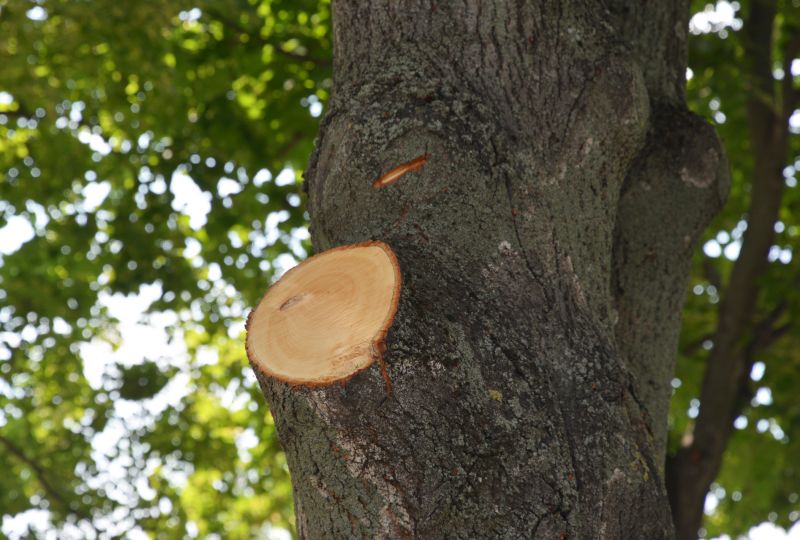
How can I tell if a branch is dead? Signs include discoloration, brittle texture, and absence of leaves or buds during the growing season.
Is dead branch removal safe for the tree? Yes, when done properly, removing dead branches supports the overall health and longevity of the tree.
What tools are used for dead branch removal? Pruning shears, saws, and pole pruners are commonly used to safely remove dead or hazardous branches.
Request Dead Branch Removal in Doylestown, PA
Use the quote form on this page to share the basics of your project and request more information for the type of work you need.